The Promised Land Maps
The Promised Land Maps
If you’re looking for a destination that combines natural beauty, history, and culture, then “The Promised Land Maps” is the place for you. With stunning landscapes, a rich heritage, and friendly locals, this region has something for everyone.
Traveling to a new place can be overwhelming, especially if you don’t have a clear idea of what to expect. Language barriers, cultural differences, and unfamiliar customs can make it difficult to navigate and enjoy your trip. Fortunately, “The Promised Land Maps” has a lot to offer, and with a little preparation, you can have a stress-free and memorable experience.
If you’re wondering where to go and what to see in “The Promised Land Maps”, there’s no shortage of options. From picturesque villages to ancient ruins, from scenic hikes to delicious cuisine, this region has something for everyone. Some of the top attractions include the stunning Caves of Hercules, the charming town of Chefchaouen, and the historic city of Fez.
In summary, “The Promised Land Maps” is a must-visit destination for anyone who loves natural beauty, history, and culture. With top-notch tourist attractions, friendly locals, and a rich heritage, this region has something to offer everyone. Whether you’re interested in hiking, history, or cuisine, you’re sure to find something to love in “The Promised Land Maps”.
What is “The Promised Land Maps”?
“The Promised Land Maps” is a region in North Africa that encompasses Morocco, Algeria, Tunisia, and Libya. It’s known for its stunning landscapes, rich history, and unique culture. Whether you’re interested in exploring ancient ruins or trying new foods, “The Promised Land Maps” has something for everyone.
My Personal Experience with “The Promised Land Maps”
I recently visited “The Promised Land Maps” with my family, and it was one of the most memorable trips we’ve ever taken. We started in Morocco, where we visited the famous souks of Marrakech and hiked in the stunning Atlas Mountains. We then traveled to Algeria, where we explored the ancient Roman ruins of Timgad and visited the beautiful coastal city of Oran. Throughout our trip, we were struck by the warmth and hospitality of the locals, who went out of their way to make us feel welcome.
The Culture of “The Promised Land Maps”
The culture of “The Promised Land Maps” is a unique blend of African, Arab, and Berber influences. From the colorful markets to the traditional music and dance, there’s always something to see and experience. One of the highlights of our trip was attending a traditional Berber wedding in the Atlas Mountains, where we were welcomed into the family’s home and treated to a delicious feast.
The History of “The Promised Land Maps”
The history of “The Promised Land Maps” is long and rich, with influences from the Phoenicians, Romans, and Arabs. Some of the top historical sites in the region include the ancient city of Carthage in Tunisia, the Roman ruins of Timgad in Algeria, and the medina of Fez in Morocco.
FAQs About “The Promised Land Maps”
Q: What is the best time of year to visit “The Promised Land Maps”?
A: The best time to visit “The Promised Land Maps” is in the spring (March to May) or fall (September to November), when the weather is mild and the crowds are smaller.
Q: What is the currency used in “The Promised Land Maps”?
A: The currency used in “The Promised Land Maps” varies by country. In Morocco, the currency is the Moroccan dirham, in Algeria it’s the Algerian dinar, in Tunisia it’s the Tunisian dinar, and in Libya it’s the Libyan dinar.
Q: Is it safe to travel to “The Promised Land Maps”?
A: While “The Promised Land Maps” is generally a safe destination, it’s always important to take precautions when traveling. Make sure to research the current situation in the countries you plan to visit, and follow any safety advice from your government.
Q: What is the food like in “The Promised Land Maps”?
A: The food in “The Promised Land Maps” is delicious and varied, with influences from Arabic, Berber, and French cuisine. Some of the top dishes to try include tagine (a stew made with meat and vegetables), couscous (a grain dish), and brik (a savory pastry filled with egg and tuna).
Conclusion
If you’re looking for a destination that combines natural beauty, history, and culture, then “The Promised Land Maps” is the perfect place for you. With its stunning landscapes, rich heritage, and friendly locals, this region has something to offer everyone. So why wait? Start planning your trip to “The Promised Land Maps” today!
Map Of The Promised Land
 Source: world-mapp.blogspot.com
32 Map Of The Promised Land Joshua Maps Database Source
 Source: mapdatabaseinfo.blogspot.com
The World of the Patriarchs — Watchtower ONLINE LIBRARY Bible history
 Source: www.pinterest.com.au
Map The Promised Land and Each City of Refuge NWT Study Bible
 Source: www.pinterest.com
B6 Settlement of the Promised Land — Watchtower ONLINE LIBRARY
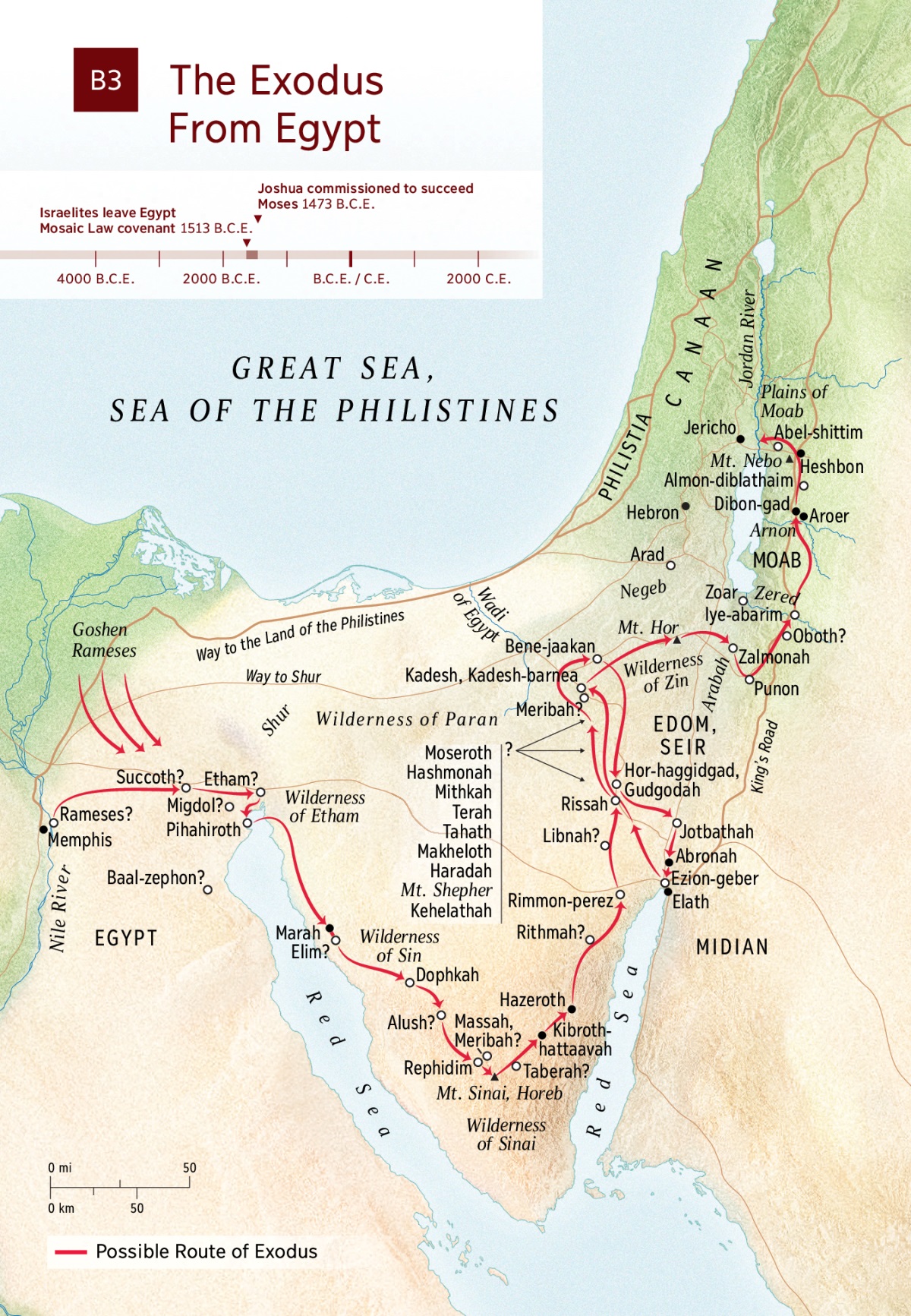
Map Of The Promised Land Canaan
 Source: world-mapp.blogspot.com
Genesis 15 Casual English Bible
 Source: www.casualenglishbible.com
Tribal Allotments of the Promised Land Bible Mapper Blog
 Source: biblemapper.com
Biblical Archaeology Map 13
 Source: biblicalarchaeologygraves.blogspot.com
Children of Israel out of Egypt to the Promised Land, journey times
 Source: www.pinterest.com.au